

Now we know what having a smart and high IQ president means for AI regulation and safety, let the companies who have billions in revenues and trillion-dollar IPOs riding on markets regulate themselves!
What insanity, as Bills Gates said in a recent interview:
…you can’t rely on the industry to self-regulate here. I mean, it’s just insane.
The only question in my mind is: Do we wait until a cyberattack causes massive damage and a bioattack causes massive damage, and then the monitoring safeguards are required in these models to minimize the chance of that happening many, many more times? Or can we be wise enough to put these things in and require these things to be put in before millions of deaths?
Not only is the current administration not doing nearly enough to safeguard A.I. but it is also hindering close allies with the required expertise from testing frontier models. The companies, for all their blog posts stating the need for independent safety audits and international cooperation, have unsurprisingly deferred to the administration’s cues.
AI companies will not shift the massive financial and computing resources they have at their disposal from advancing models to developing more robust safety and testing guardrails unless they are forced to do so. This means changing the commercial payoffs and incentives to releasing insufficiently secure or safe models – the current modus operandi for Open AI. We need regulations requiring these companies to follow strict testing and safety protocols enforced by third-party auditing and governments worldwide – this also means establishing safety protocols with China.
The Trump administration is singularly unsuited to these tasks. For now, we look to the states for motivation and present our inaugural list of State AI Accountability & Competition Champions. These are some of the public officials and candidates engaging seriously with the policy fights that will define the next era of accountability that puts states in the driver’s seat as meaningful reforms in Washington falter.
State measures cannot be a substitute for federal regulation or an international safety regime but they are the strongest foundation we have. We look forward to working with these champions in the year ahead.
Thank you for reading and your support.
With regards,
Sumit Sharma
Executive Director
NextGen Competition
State AI Accountability & Competition Champions
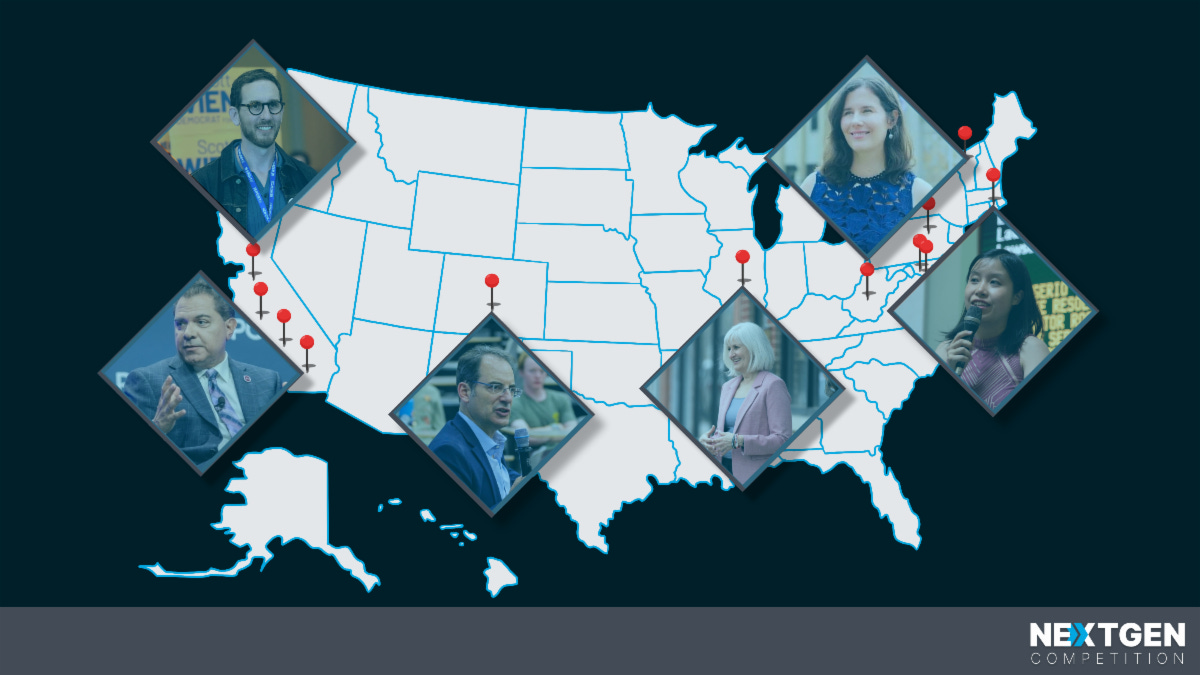
Across the country, a growing group of candidates and lawmakers are pushing forward new rules to rein in Big Tech and AI technology and ensure safety, competition, and local control are paramount.
In NextGen Competition’s 2026 AI Accountability & Competition Champions watchlist, we’re highlighting public officials and candidates who are engaging seriously with the policy fights that will define the next era of accountability that puts states in the driver’s seat as meaningful reforms in Washington, DC falter.
We congratulate our inaugural list of champions. These legislators are doing the work that Washington, D.C. hasn’t, and many of these candidates have made this issue a centerpiece of their campaigns.
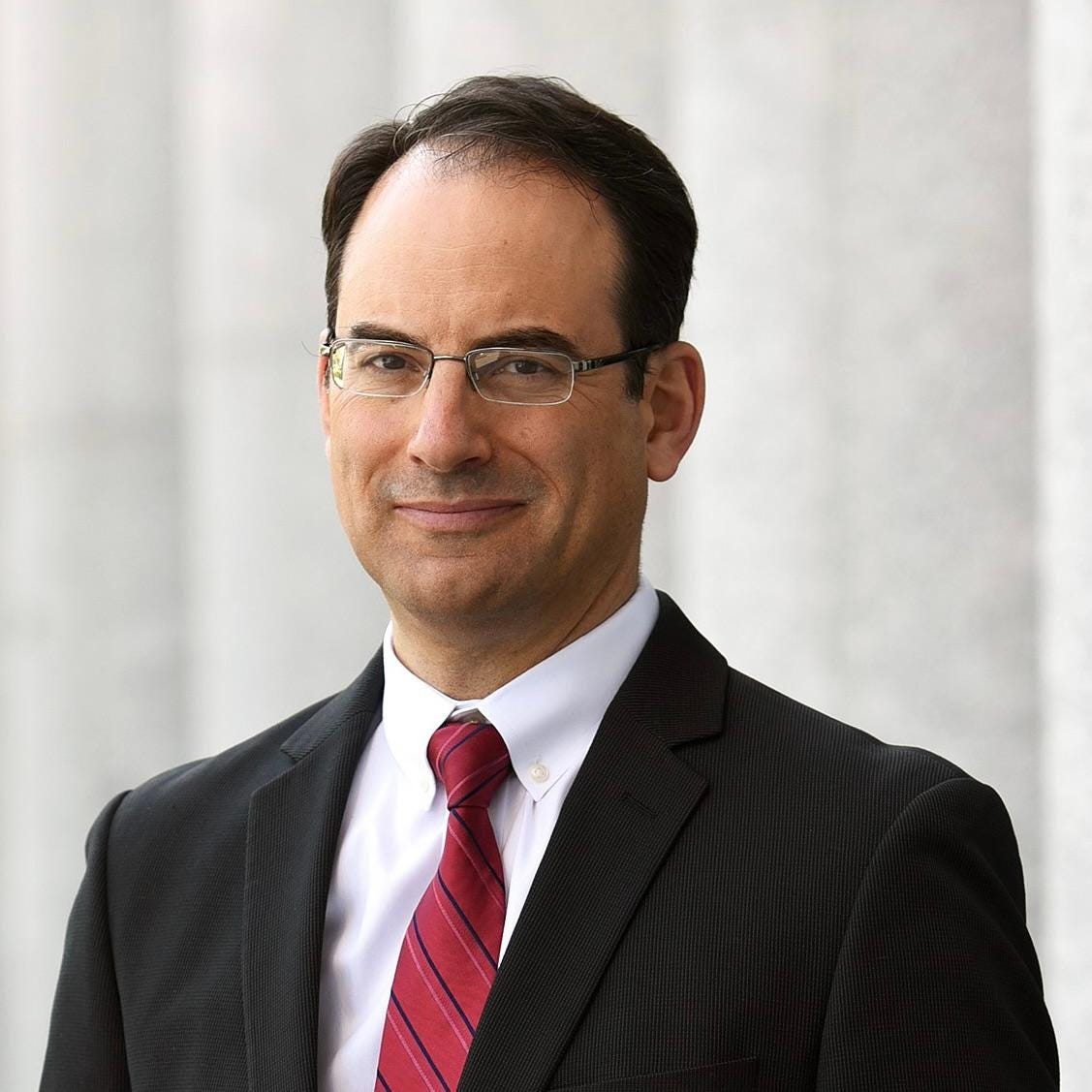
Phil Weiser, Colorado
Attorney General and Gubernatorial Candidate
Weiser has made Big Tech accountability central to his work as Attorney General, including efforts to protect kids online and push back against efforts to weaken state authority over online safety. As Colorado Attorney General, he led a bipartisan coalition of states suing Meta for knowingly designing its platforms to be addictive to children while hiding the harms they cause. Now he’s running for Governor of Colorado.
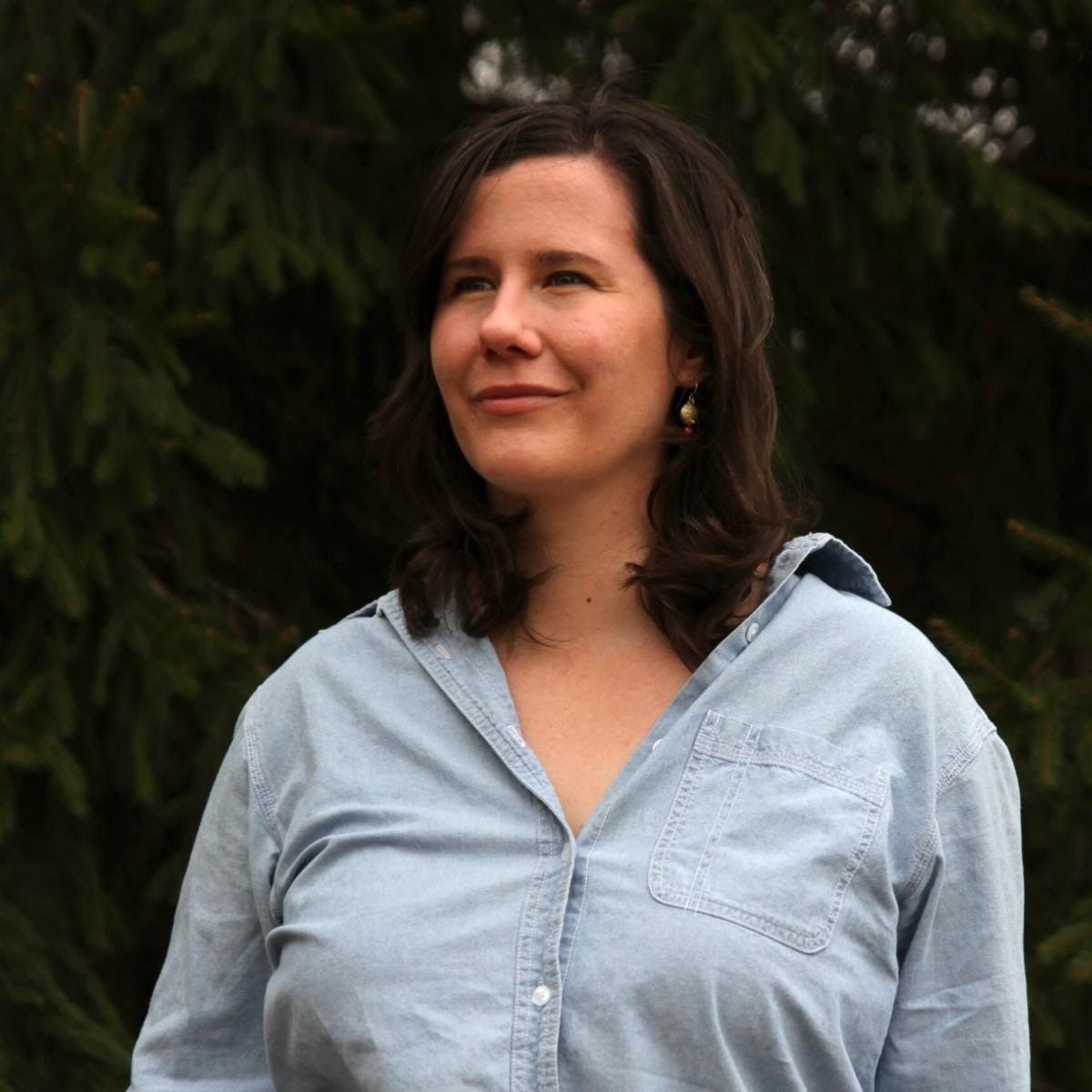
Elizabeth Ferris, West Virginia
State Senate Candidate
Ferris is a Democratic candidate for State Senate in West Virginia’s 15th District. A writer, teacher, part-time docent at the Ice House in Berkeley Springs, volunteer with the Morgan Arts Council, and devoted congregant at Bethel Lutheran Church, where she co-chairs a committee that helps provide homeless residents with a warm bed, Ferris has made community priorities central to her campaign. In her NextGen Q&A, she argued that AI data centers may have a place in West Virginia only with appropriate guardrails and meaningful local input.
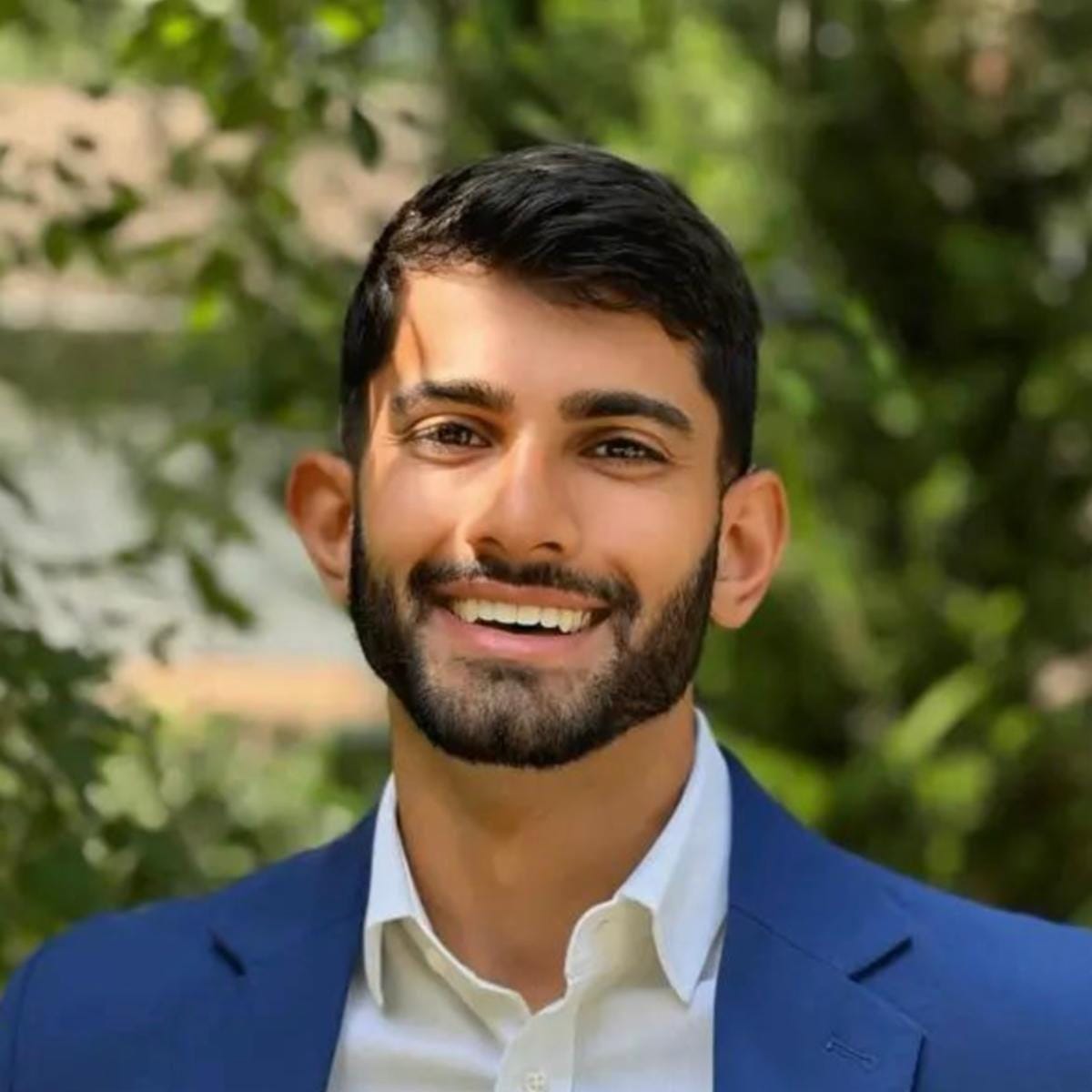
Amar Mukunda, Maryland
State Senate Candidate
Mukunda recently won a competitive primary in Maryland’s 39th District after calling for AI regulation and refusing Big Tech donations.The Maryland Wire called Mukunda a “fresh face” who, “as a computer scientist,... is naturally positioned to help the General Assembly navigate state-level policy on artificial intelligence, workforce displacement, and data privacy.” Earlier this year, Mukunda assisted in organizing Maryland’s first “AI Policy Advocacy Day” in Annapolis, where he joined other advocates to discuss social media algorithms, self-driving cars, and the risks of AI abuse with policymakers.
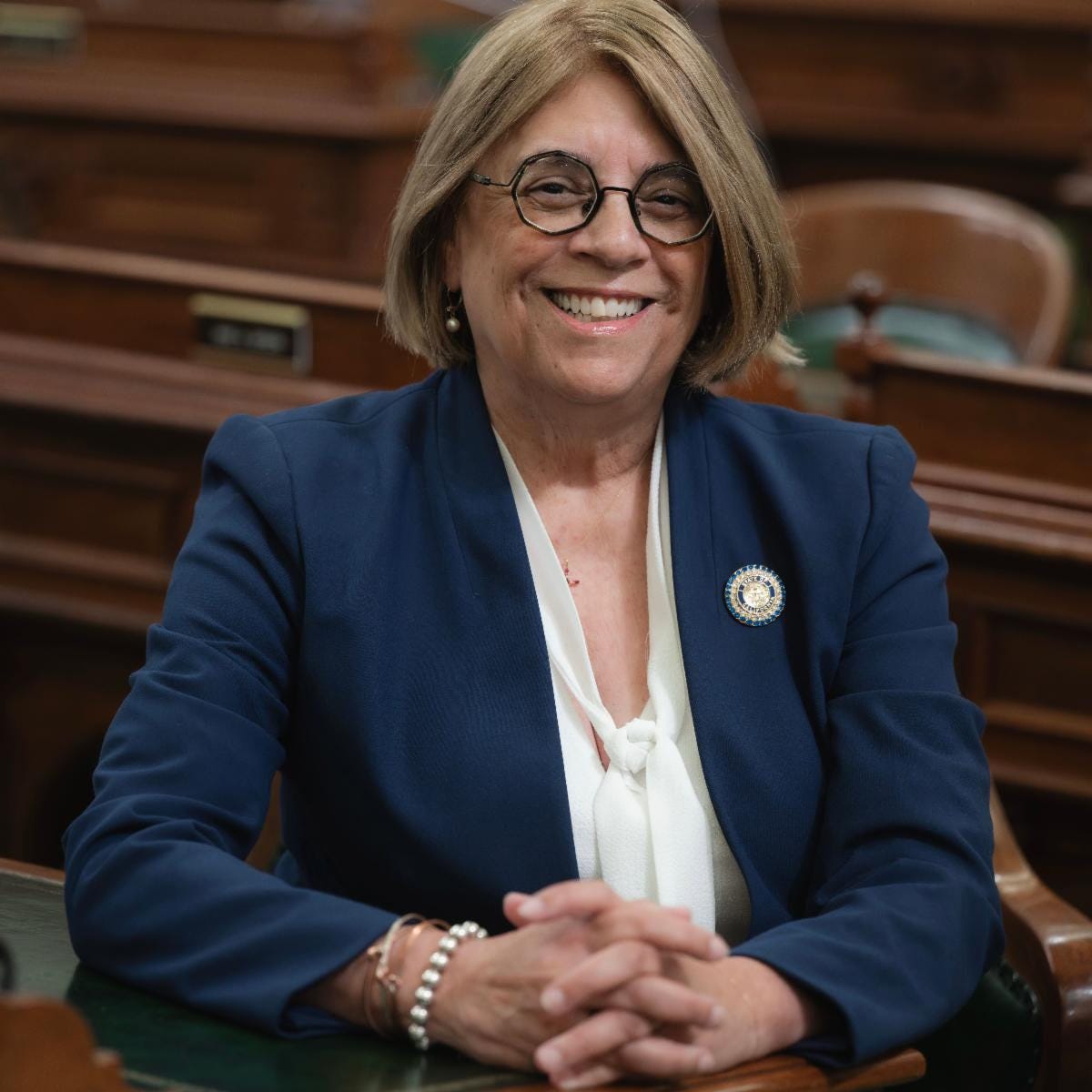
Cecilia Aguiar-Curry, California
State Senator
Aguiar-Curry is the lead author of the COMPETE Act that was signed into law by California Gov. Newsom last month. The bill updates the Cartwright Act to give the attorney general and district attorneys clear authority to address the abuse of monopoly power by the largest corporations, including Big Tech and AI companies. With this bill California leads the nation in updating its antitrust laws to hold single dominant corporations to account when the market fails to do so.
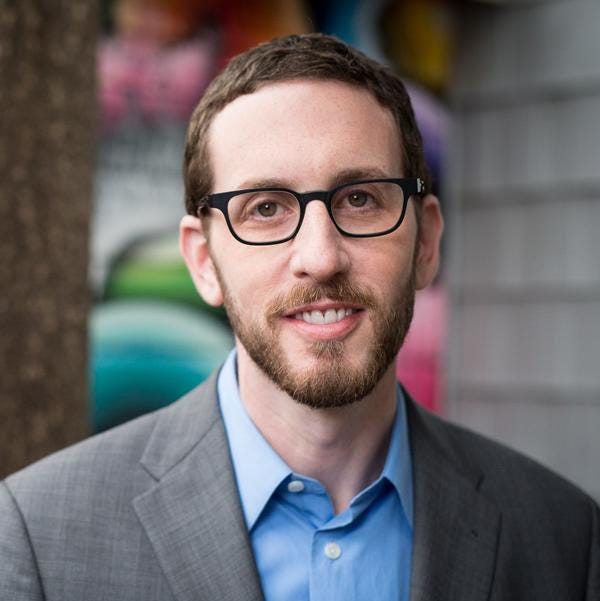
Scott Wiener, California
State Senator and Congressional Candidate
Wiener has become one of the country’s most visible state-level lawmakers on frontier AI safety. He authored SB 53, the Transparency in Frontier Artificial Intelligence Act, which California Gov. Gavin Newsom signed into law in 2025, requiring large AI developers to publish safety frameworks and report critical safety incidents. Now he’s trying to take that AI safety work to Capitol Hill. He also introduced the BASED Act to address BigTech’s anticompetitive behavior.
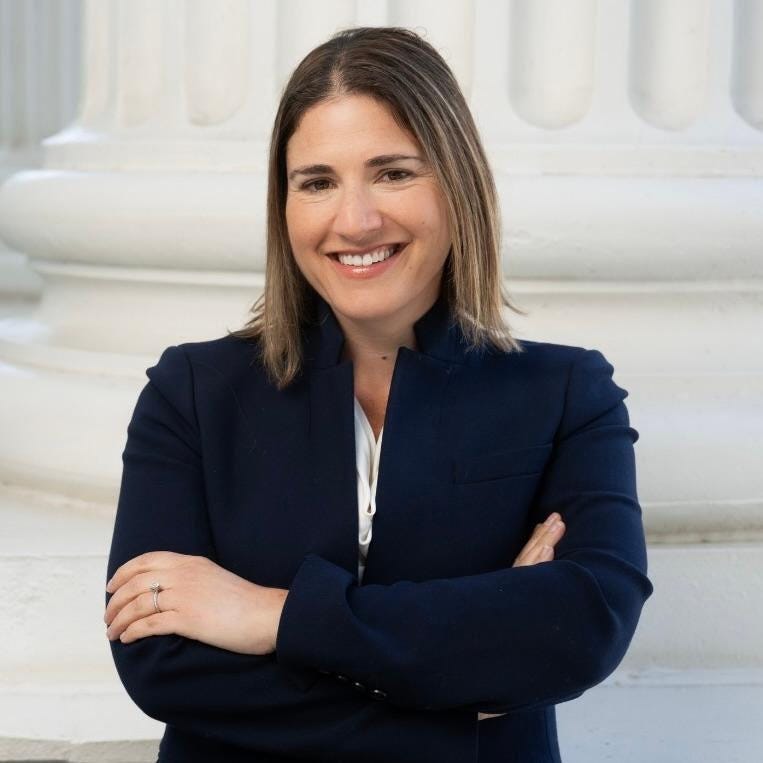
Rebecca Bauer-Kahan, California
Assemblymember
Bauer-Kahan has fought the tech lobby ever since she was elected to the California Assembly in 2018. In that time, she has had big successes — in 2024, her legislation to protect people from unauthorized AI deepfakes was signed into law — as well as setbacks, including Gov. Gavin Newsom’s veto of her sweeping chatbot safety legislation last year. She is also working on legislation to create a first-in-the-nation framework for outside AI auditors, which developers could hire to ensure their systems comply with state AI laws.
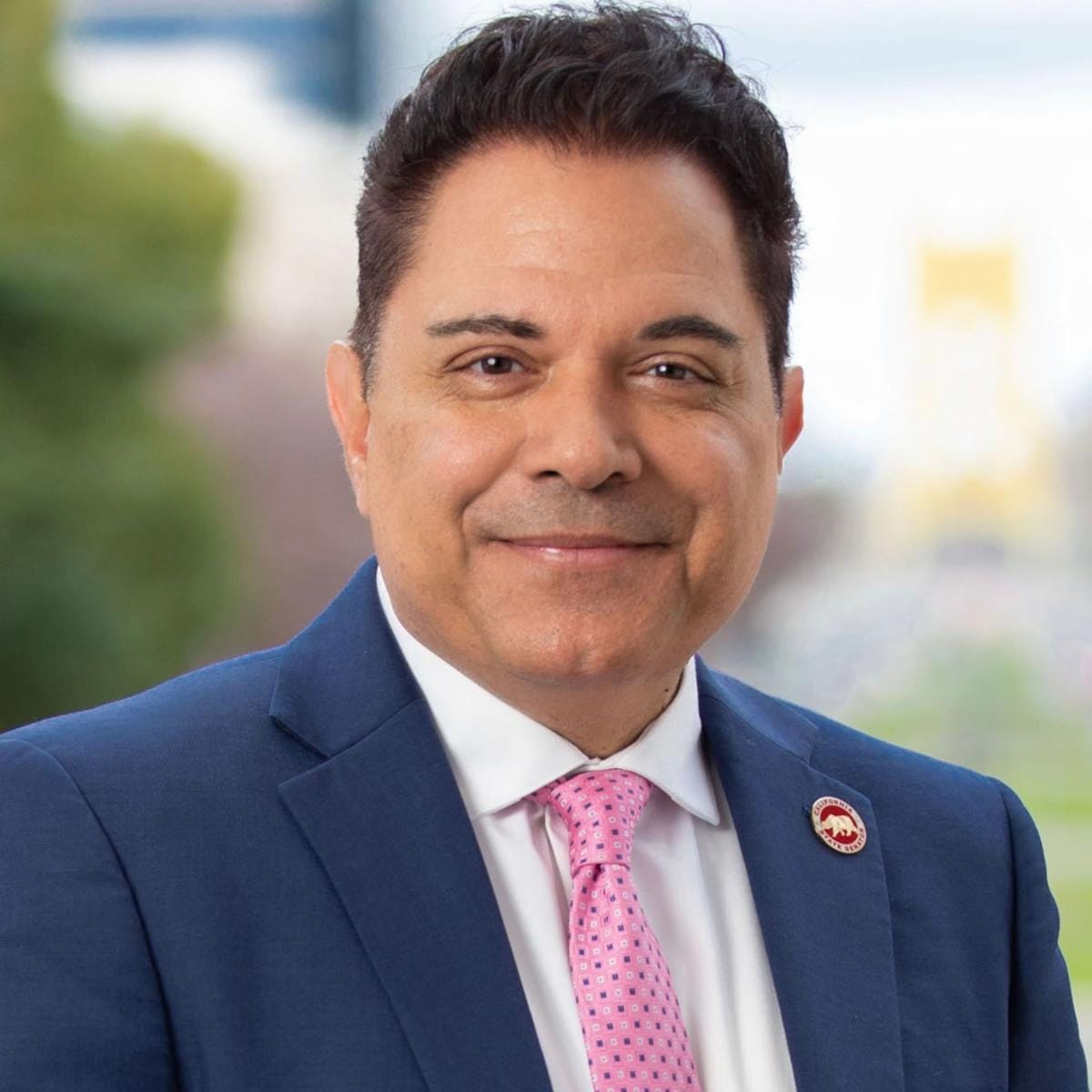
Steve Padilla, California
State Senator
Padilla has made confronting the risks posed by AI chatbots a top priority during his first term in office — last year, his bill SB 243 became the first state law requiring the developers of companion chatbots to address potential harms or face legal liability. He’s been even more active this year, pushing another wide-reaching bill on chatbot safety for kids called Adam’s Law, as well as legislation on the use of AI chatbots in toys and for mental health therapy. He’s also advancing bills to contain the impact of data centers on electricity costs and the environment.
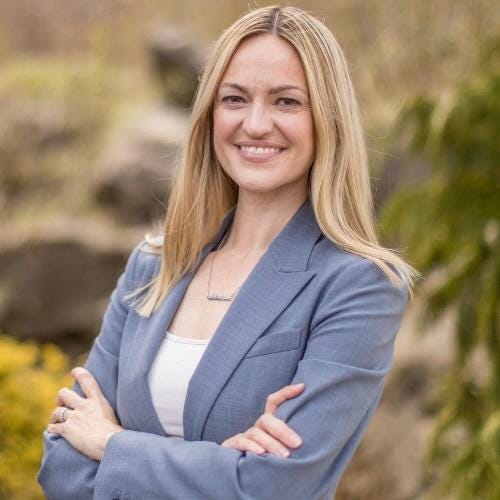
Paige Cognetti, Pennsylvania
Scranton Mayor and Congressional Candidate
Cognetti has elevated data centers as a major issue in Pennsylvania’s 8th Congressional District, where communities are facing AI-driven infrastructure fights. Her campaign ad argued that Big Tech should pay its own way rather than shifting costs onto local communities. She calls out Big Tech for hiding behind NDAs, tax breaks, environmental concerns, and not hiring locally. That message reflects a growing political backlash to data centers as voters raise concerns about energy demand, land use, and who benefits from an AI future.
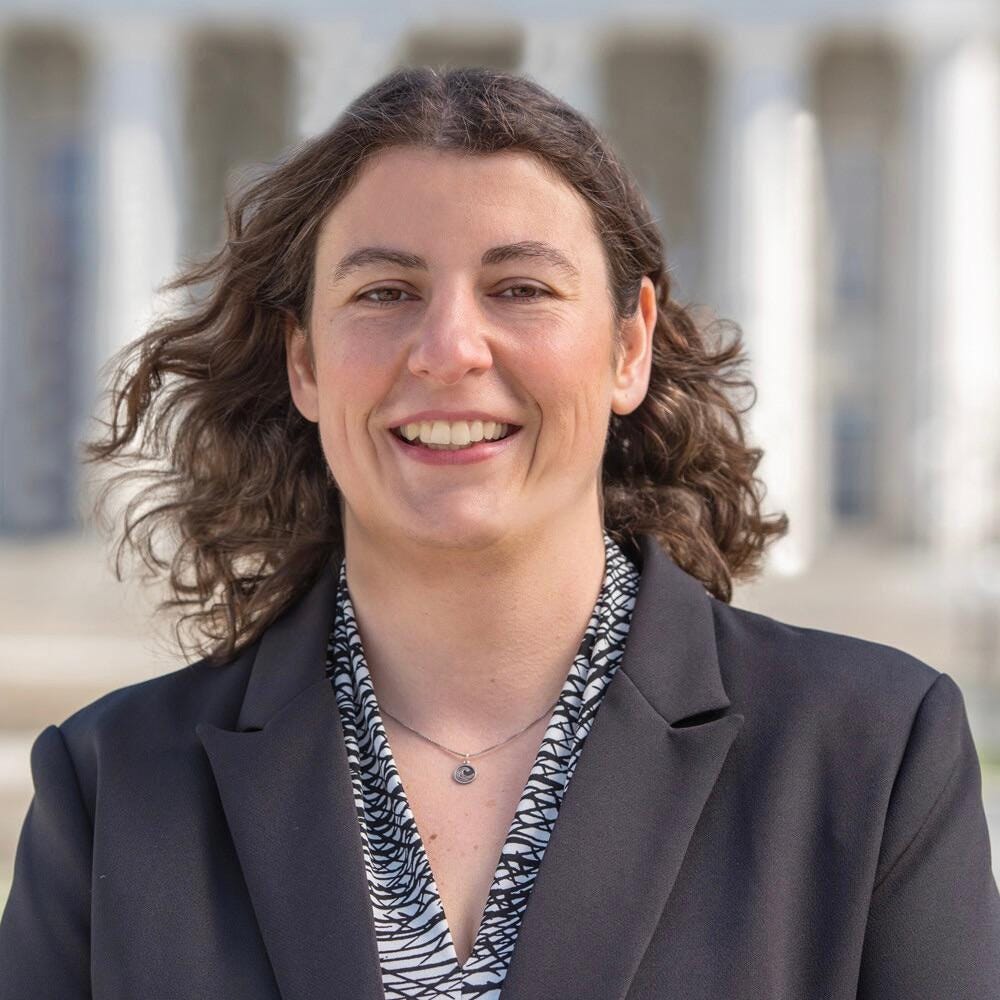
Monique Priestley, Vermont
State Representative and State Senate Candidate
Priestley has become one of Vermont’s leading voices on data privacy, AI, and consumer protection. She serves on the National Conference of State Legislatures’ Task Force on Artificial Intelligence, Cybersecurity & Privacy and co-chairs the Future Caucus National AI Policy Task Force. The two-term representative and state Senate candidate is viewed as a leader on tech regulation by legislators across the country. Priestley’s longtime work on data privacy and AI, in particular, has positioned her as a key resource for other lawmakers working on those issues. Now, she’s running for the State Senate.

Victoria Gu, Rhode Island
State Senator
The two-term senator and chair of the Rhode Island Senate Committee on AI and Emerging Technology has been thinking about the technology for a long time — before running for office, Gu spent at least seven years as an AI and machine learning researcher. She chairs Rhode Island’s Senate Committee on AI and Emerging Technology and has helped champion legislation focused on AI companions and mental health risks. She also introduced a bill that would have cracked down on AI-enabled workplace surveillance and required human oversight of hiring, promotion, and compensation decisions. While that bill died in the Rhode Island House, she pledged to revive it next year – right after she wins reelection.
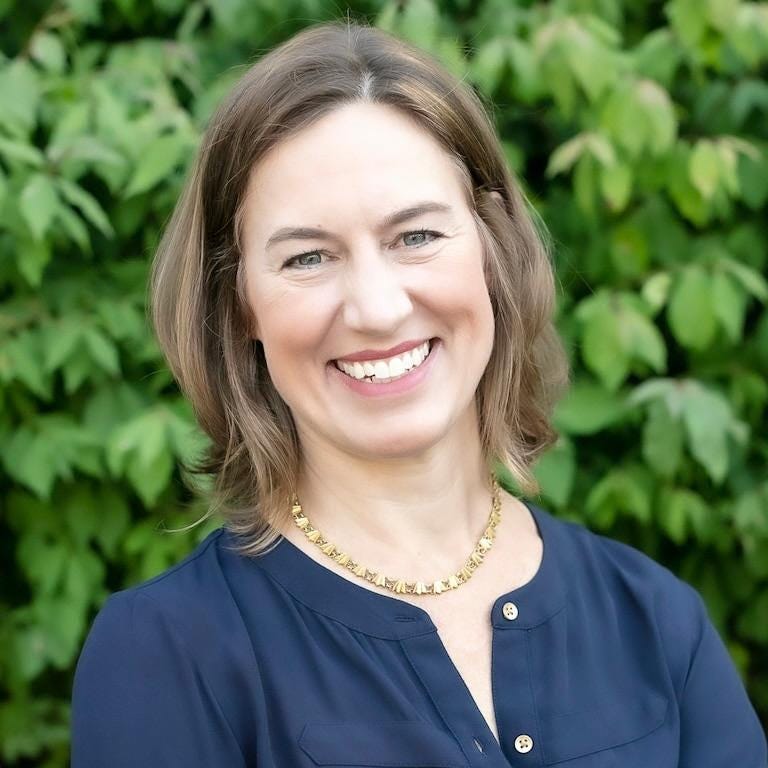
Katie Fry Hester, Maryland
State Senator
Hester has been active on AI, cybersecurity, privacy, education, and chatbot safety in Maryland. She co-sponsored legislation that became the Maryland Age-Appropriate Design Code in 2024, establishing new data-privacy rules and other protections for kids. Hester also drove a 2024 law regulating the Maryland government’s use of AI that has become a model across the country.
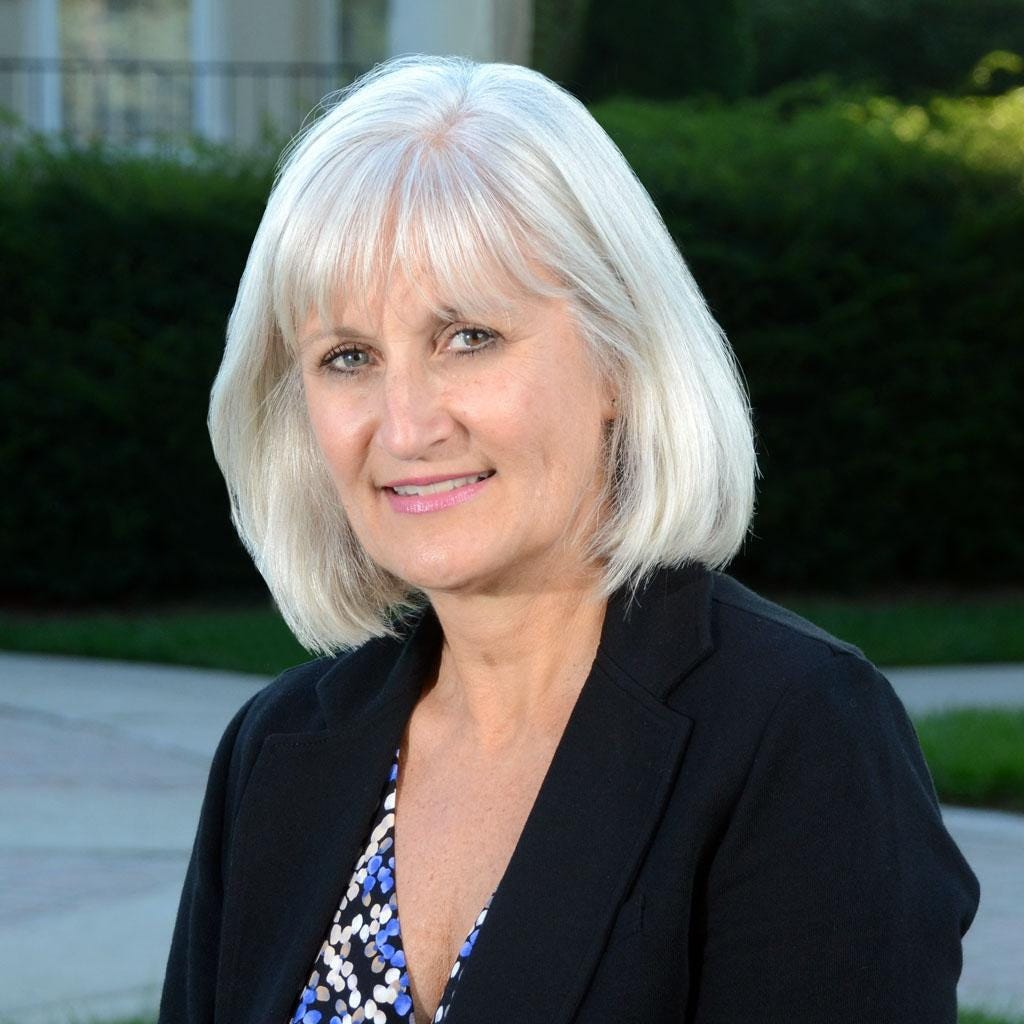
Mary Edly-Allen
Illinois State Senator
Edly-Allen helped lead Illinois’ SB 315, a major AI safety law requiring large frontier AI developers to adopt safety frameworks, report critical incidents, undergo independent audits, and publish redacted audit reports. Her work puts Illinois near the front of the state-level AI safety debate, especially around transparency, catastrophic risk, and independent verification. As Congress struggles to keep pace, Edly-Allen’s work shows how states are moving to fill the gap.
A.I. Hits the Campaign Trail
Artificial intelligence has infiltrated nearly every aspect of society, and elections are no exception. The midterms may become a watershed moment for the political influence of A.I. companies like OpenAI and Anthropic. In a recent analysis, The New York Times found that PACs associated with these companies spent nearly $56 million on ads and voter outreach, with much of that spending concentrated in primary elections.
Alarmingly, A.I. companies are not only becoming major players in campaign spending. Their products are also being used by campaigns and outside groups themselves. The Washington Post recently covered the growing use of A.I. on the campaign trail, including an ad generated by a super PAC using an A.I. likeness of former Ohio Senator Sherrod Brown, who is running to return to the U.S. Senate. So far this cycle, the Wesleyan Media Project has “identified a minimum of 164 political ads generated or enhanced through the use of AI,” with spending on those ads totaling “just under $80 million” in its latest report.
Alex Bores, whom you may remember from his campaign for New York’s 12th Congressional District in June, saw this dynamic up close after millions in A.I.-aligned PAC spending was deployed against him following his calls for stronger A.I. regulation. Now, he is pushing back. Alongside Anna Myers, Bores has founded Who Decides, an advocacy organization built around “five commitments that turn local concern about AI into a national agenda that candidates and officials answer to.” The group is already preparing for 2028, with plans to place organizers in 11 early primary states.
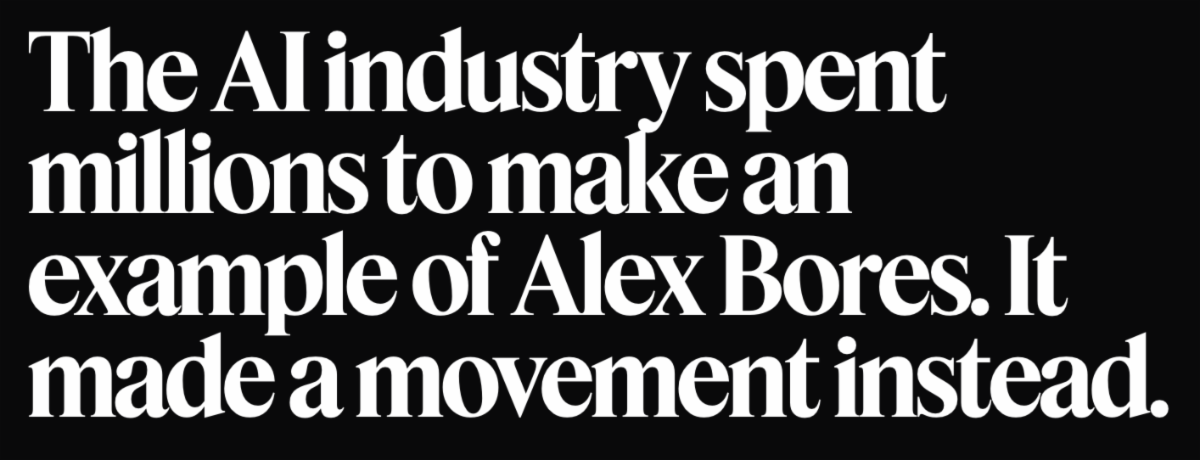
Source: Who Decides
Alex is not the only one fighting back. States are taking up the mantle Congress has been too hesitant to touch, with the National Conference of State Legislatures noting in a recent report that 31 states now have election deepfake laws. Stefani Langehennig, citing the report in The Conversation, notes:
Louisiana, for example, requires AI warnings on certain campaign ads that falsely depict candidates and campaign calls that use artificial versions of public figures’ voices. Maryland, meanwhile, prohibits certain deceptive election deepfakes even when they carry a warning.
All this is to say that A.I. is not going anywhere. It is likely to play a larger role in campaigns, elections, and political communication with every passing cycle. The question is whether voters, lawmakers, and regulators will demand transparency and guardrails, or whether Big Tech will be allowed to bankroll the debate, build the tools, shape the rules, and then insist the public simply trust them.
Until next month! In the meantime, follow us on X, BlueSky, and subscribe to our Substack for the latest on Big Tech, AI, and antitrust.